
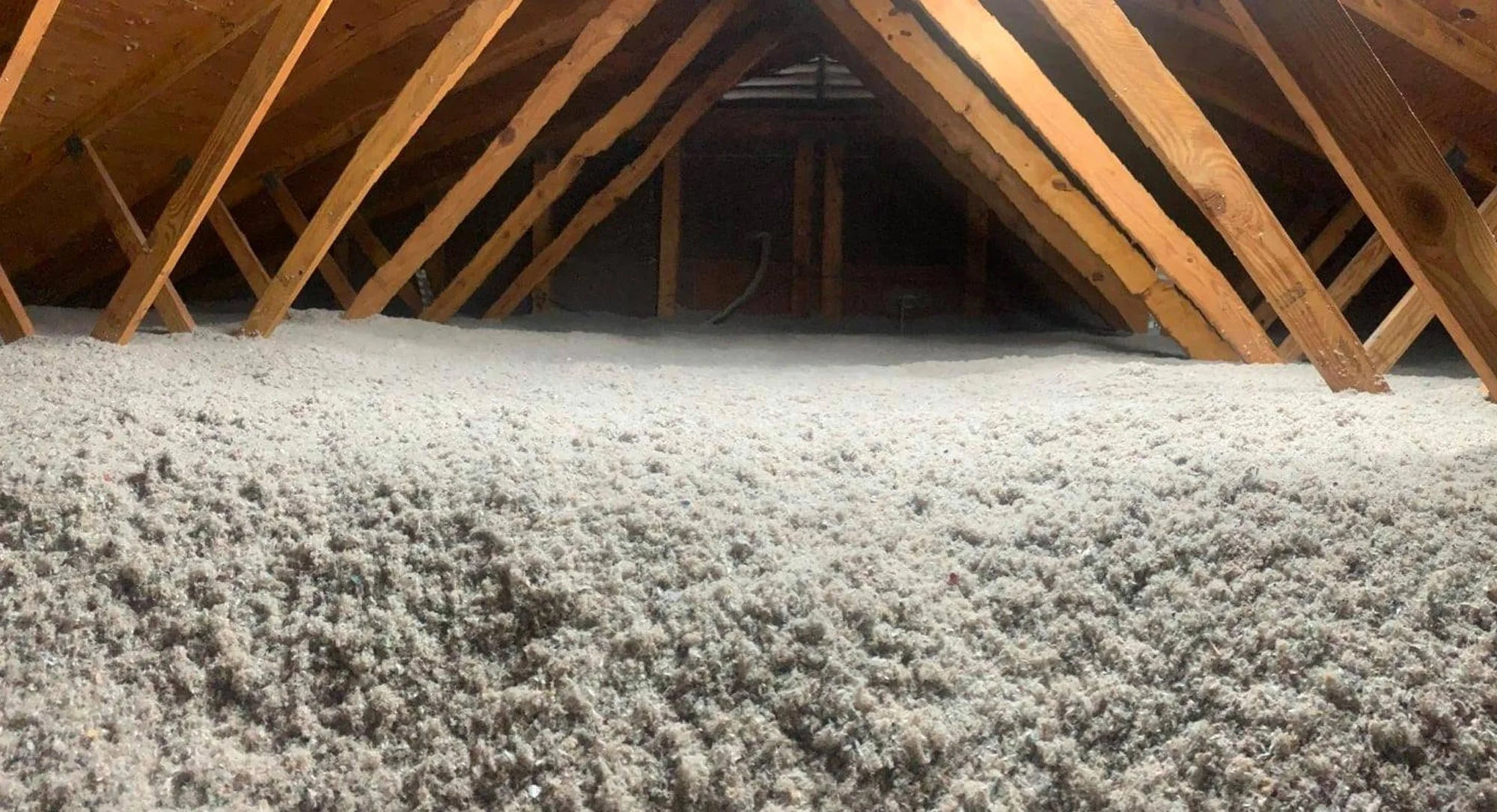
Which Insulation is Right For me?
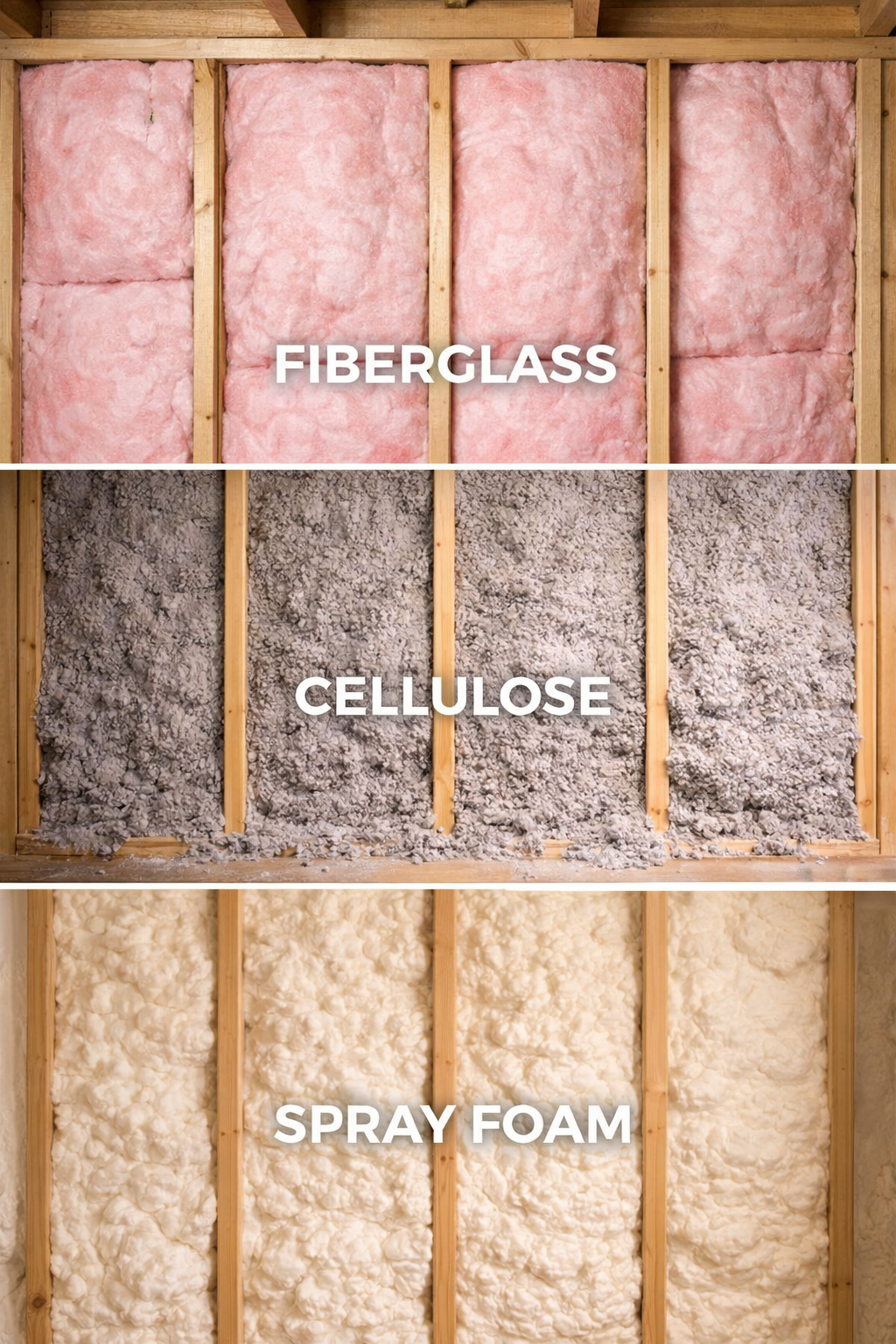
Cellulose (Blown In)
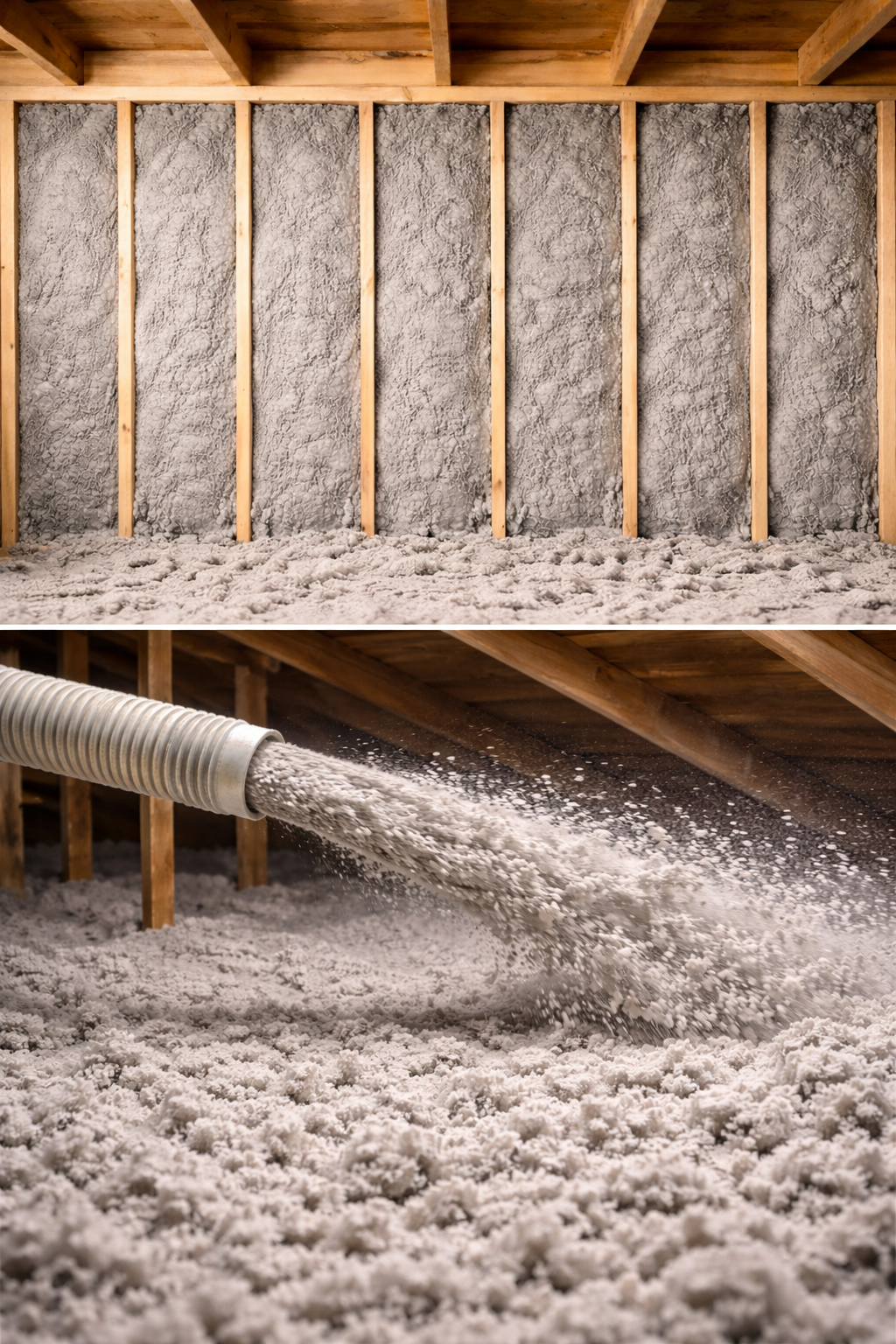
How It Works
Cellulose slows heat through conduction and reduces internal air movement due to higher density.
Strengths
• Higher density reduces convection
• Fills irregular cavities better
• Performs consistently in real attic conditions
• Good sound dampening
• Made from recycled material
Limitations
• Heavier load on ceiling plane
• Must be installed to proper depth and coverage
• Still requires air sealing beneath
Best For
• Existing homes
• Irregular framing
• Homeowners focused on long-term performance
Open Cell Spray Foam
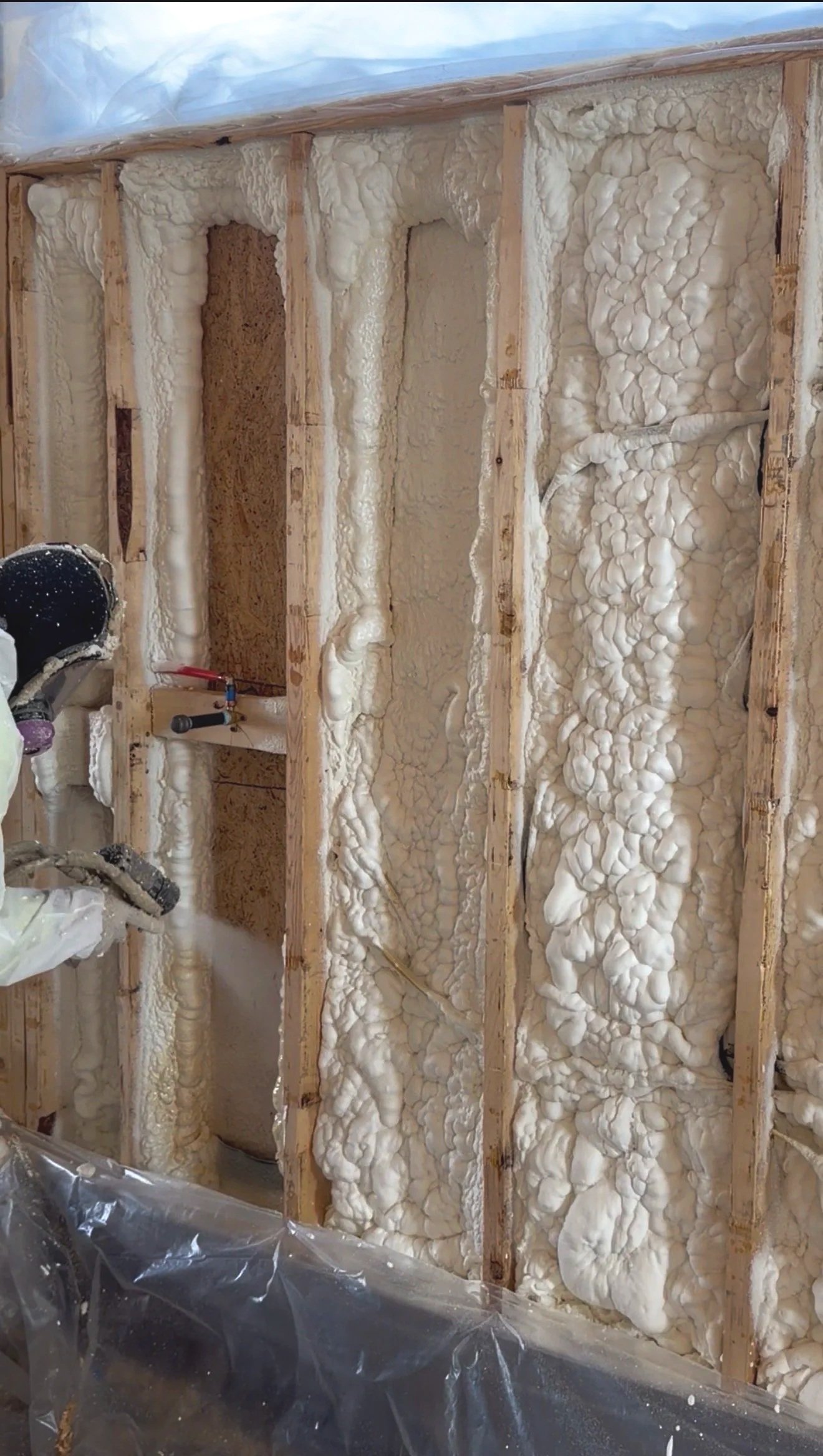
How It Works
Expands to seal air gaps and slow conductive heat transfer.
Strengths
• Air seals as it insulates
• Reduces convection
• Ideal for roof deck encapsulation
• Good for conditioned attics
Limitations
• Higher cost
• Can change how the attic ventilates
• Requires HVAC evaluation
• Not reversible without removal
Best For
• Encapsulated attic systems
• Homes with HVAC in attic
• Major performance retrofits
Closed Cell Spray Foam
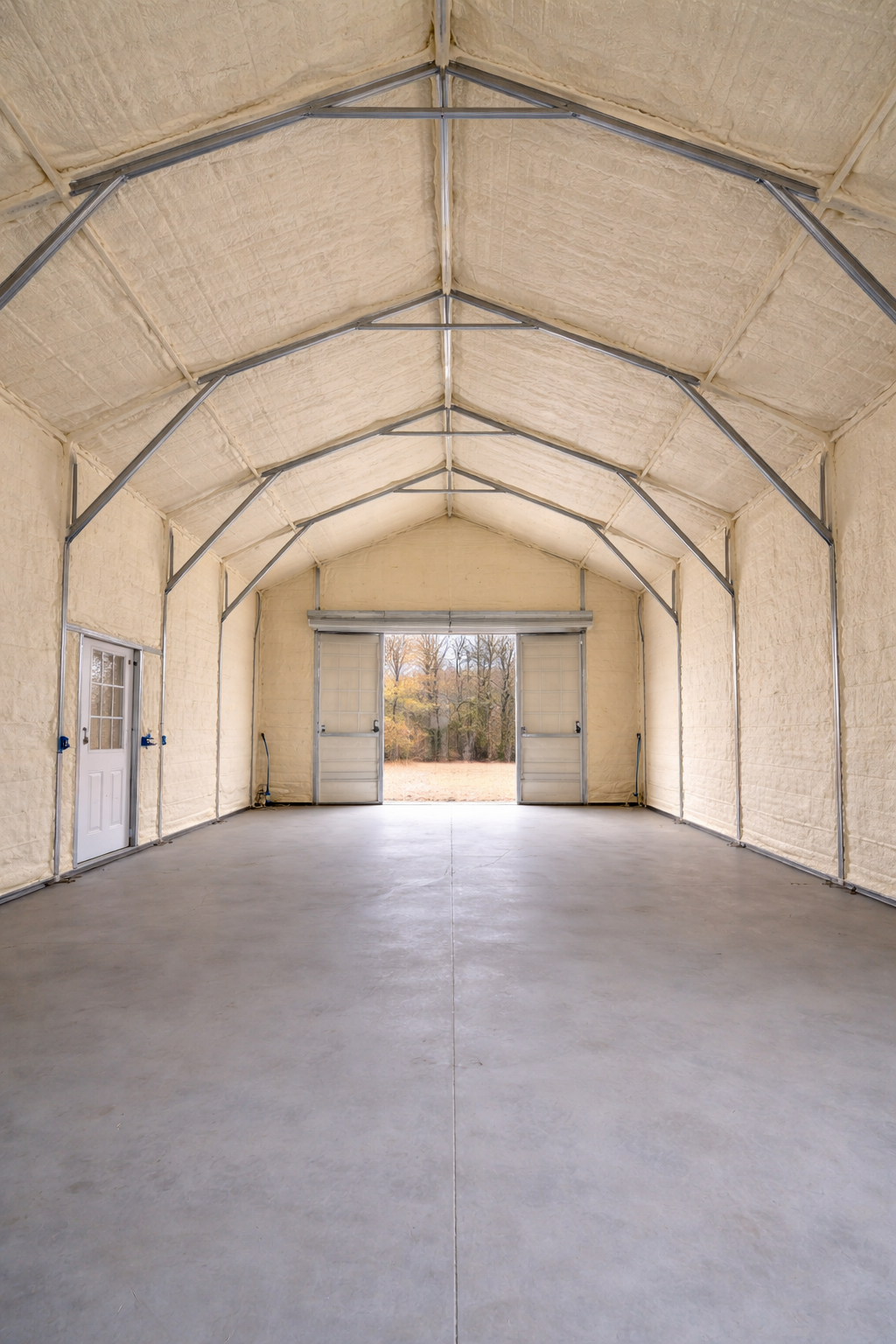
How It Works
Cellulose slows heat through conduction and reduces internal air movement due to higher density.
Strengths
• Higher density reduces convection
• Fills irregular cavities better
• Performs consistently in real attic conditions
• Good sound dampening
• Made from recycled material
Limitations
• Heavier load on ceiling plane
• Must be installed to proper depth and coverage
• Still requires air sealing beneath
Best For
• Existing homes
• Irregular framing
• Homeowners focused on long-term performance
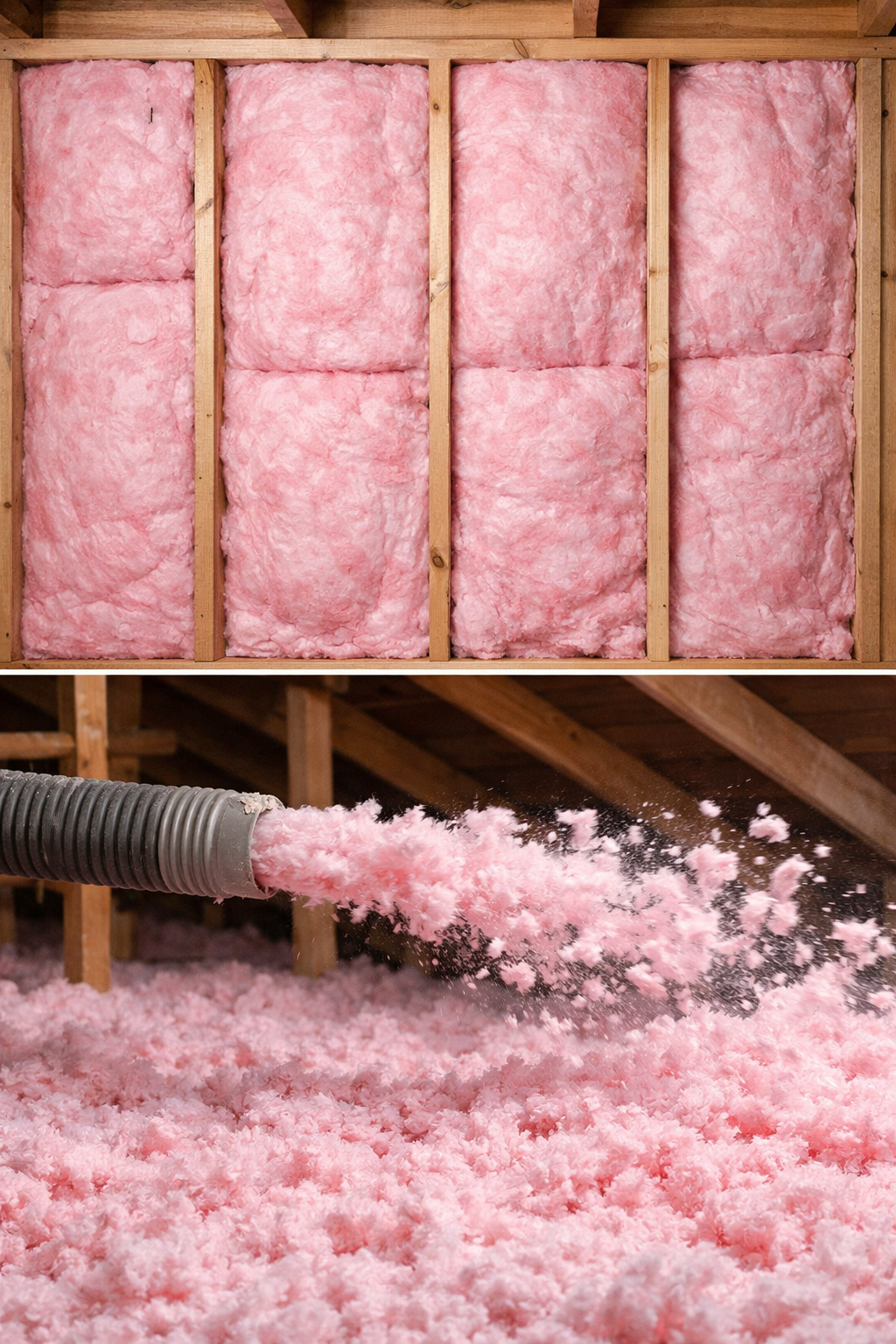
Fiberglass (Blown or batt)
How It Works
Fiberglass slows heat primarily through trapped air pockets that resist conduction.
Strengths
• Lower upfront cost
• Lightweight
• Widely available
• Works well in controlled environments
Limitations
• Does not stop air movement
• Can allow convection within the insulation layer
• Performance drops if compressed or disturbed
• Gaps around framing are common
Best For
• Budget-driven upgrades
• New construction
• Situations where air sealing is already complete
Why Is My Home Uncomfortable?
Many homes struggle with uneven temperatures, drafts, and rooms that never seem to stay comfortable. These issues are often blamed on the HVAC system, but in many cases the real problem is how the attic is performing.
Common symptoms homeowners notice include:
Rooms that are too hot in summer or too cold in winter
Large temperature differences between rooms
Drafty areas near ceilings or light fixtures
HVAC systems that run constantly
Dust or allergens entering the home
High energy bills without clear improvement
In many homes, these issues originate in the attic. Gaps and penetrations in the attic floor allow air to move between the attic and the living space. When this happens, heat, moisture, and outside air can bypass the insulation entirely.
This means the home’s comfort isn’t controlled by insulation alone, but by how well the attic is air sealed and insulated as a complete system.
By addressing air leakage first and restoring proper insulation levels, it’s possible to significantly improve comfort, indoor air quality, and overall energy performance.
So What’s Best For Your Home?
There isn’t a universal “best” insulation.
There’s only what performs best in your specific attic system.
Before making a recommendation, we evaluate the entire structure, not just insulation depth.
Our Goal Is Simple: A Home That Performs Year-Round.
We don't just install insulation - we design a complete thermal system tailored to your attic, your climate, and your comfort.